











Do You Really Understand What You're Signing?
Imagine yourself as a busy lawyer using tools like ChatGPT to prepare legal documents. It's convenient and saves time, but suddenly you find yourself in court, and the opposing side questions the credibility of your document. What do you do now? What often happens is that the opposing side in court raises the tough questions, and you find yourself defending a document you may not have fully understood.
What Do Courts Actually Look At?
Courts in Israel focus on the truthfulness and reliability of the documents submitted to them. When a lawyer signs a document, they not only confirm its content but also take full responsibility for every word in it. If there's an error in the document, the client might pay the price, but the legal responsibility falls on the lawyer.
Especially in an era where artificial intelligence is used for drafting documents, it's crucial for lawyers to be aware that they cannot rely on these tools blindly. They must ensure that everything written in the document is accurate and corresponds to legal reality.
According to the Civil Procedure Regulations (Regulation 241), there is a requirement for honest disclosure that ensures the documents submitted to the court are reliable and accurate.
When Is This Relevant — Checklist
- ✓Did you use automatic tools for editing the document?
- ✓Did you verify the accuracy of the information in the document?
- ✓Are there legal quotes in the document that require verification?
- ✓Does the document correspond to the current legal reality?
The Specific Law That Applies
The Civil Procedure Regulations require lawyers to submit reliable and accurate documents to the court. Failure to meet these requirements can lead to serious consequences, including lawsuits for professional negligence.
A lawyer who does not understand the document they sign puts the client and themselves at legal risk. It's essential to ensure that every document reflects legal reality and accurate facts.
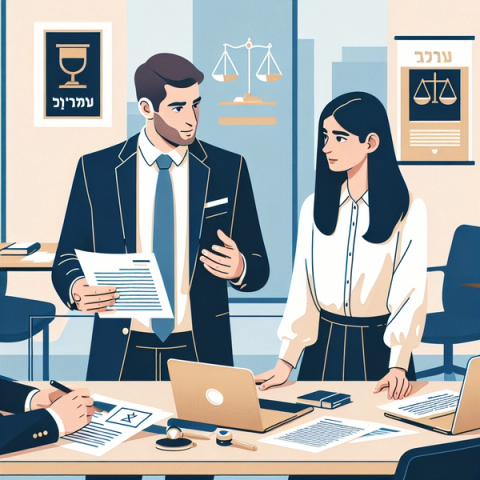
Questions Everyone Asks — But No One Asks the Lawyer
Real Situations — Which Side Are You On?
A young lawyer, using ChatGPT to draft a lawsuit without verifying information. Result: lawsuit dismissed. An experienced lawyer, checks every sentence in the document with legal sources and submits a flawless document. Result: victory in the case. A law firm, sends a warning letter written by an intern without supervision. Result: loss in the case and heavy expenses.
What to Do Right Now
The first step is to carefully check every document before signing. Make sure you understand every detail and that the information is accurate. If there is any doubt, do not hesitate to consult experts for additional verification.
If you choose to ignore the problem, you risk not only your client but also your career and reputation as a lawyer. Remember, the responsibility is yours.